Between 2020 and 2022, a devastating war transformed Tigray into the epicenter of one of the world's most severe humanitarian crises. Throughout the conflict, sexual violence was systematically used as a weapon of war to terrorize civilians, fracture families, and devastate entire communities. Women and girls bore the brunt of this brutality, with an estimated 40 to 50 percent experiencing conflict-related sexual violence (CRSV).
Today, those scars remain unhealed. As fears of renewed conflict intensify, survivors continue to live under the shadow of violence. They grapple with profound trauma, persistent insecurity, and long-term mental health impacts.
At the same time, support systems for survivors have been critically weakened. Global humanitarian funding cuts, combined with the near-total collapse of Tigray’s health infrastructure, have drastically reduced the region’s capacity to respond to GBV. The war left 89 percent of health facilities damaged or destroyed. Supply chains remain shattered. Thousands of healthcare workers continue to work without pay. As a result, survivors are locked out of lifesaving medical treatment, psychosocial support, or legal services. Beyond wartime sexual violence, women and girls continue to face rising levels of domestic violence, psychological abuse, reproductive coercion, and economic hardship — often with few safe or accessible avenues for support.
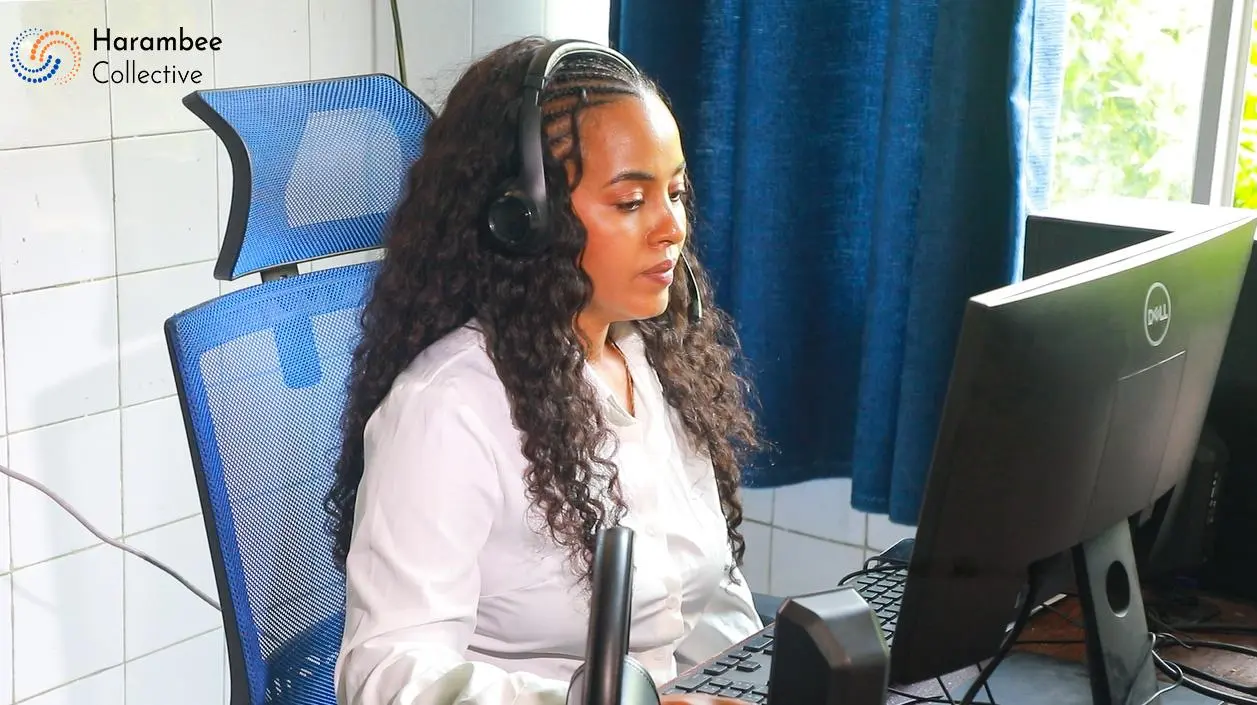
In direct response to this crisis, Harambee Collective, in collaboration with the Tigray Regional Health Bureau, is proud to launch the Harambee GBV Helpline (6244). This is Tigray’s first toll-free helpline dedicated entirely to supporting survivors of GBV across the region.
Built on a survivor-centered, rights-based framework, the helpline provides a safe, confidential, and compassionate entry point for individuals seeking support, information, and immediate referrals.
Operating entirely in Tigrigna every day from 8:00 AM to 5:30 PM, the helpline offers:
Survivors can access the helpline through both voice calls and SMS, helping ensure greater accessibility and disability inclusion. This also allows survivors to safely seek support when speaking aloud may not be possible or when connectivity is limited.
The Harambee GBV Helpline exists to ensure that no survivor has to navigate their trauma alone. At a time of profound regional uncertainty, this free service serves as a critical lifeline for survivors and a renewed commitment to restoring their rights, safety, and dignity across Tigray.